随着数字货币的兴起,越来越多的人开始关注如何通过不同的方式参与到这个领域中。而手机挖矿作为一个相对新颖...
In recent years, blockchain technology has gained immense popularity, leading to the emergence of various applications, one of the most critical being blockchain wallets. Blockchain wallets serve as a bridge between the user and the blockchain, allowing users to send, receive, and store cryptocurrencies and digital assets. A well-designed blockchain wallet is essential not only for security reasons but also for providing a seamless user experience. This article will explore the design principles, features, and considerations for creating an effective blockchain wallet.
Before diving into the design aspects, it is essential to understand what blockchain wallets are and how they function. A blockchain wallet is a digital application or hardware device that allows users to manage their cryptocurrencies. Unlike traditional wallets, blockchain wallets do not store the cryptocurrencies themselves; instead, they store the user's private and public keys which are necessary for interacting with the blockchain. There are two main types of wallets: hot wallets, which are connected to the internet, and cold wallets, which are offline storage solutions.
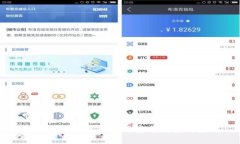
When designing a blockchain wallet, several key features must be prioritized to ensure that the wallet is both secure and user-friendly. Here are some essential features to consider:
Designing a blockchain wallet involves more than just functionality. Here are some design principles to guide the development process:

Security is the foremost consideration in the design of a blockchain wallet. Here are some specific measures to incorporate:
User experience (UX) plays a crucial role in the adoption of blockchain wallets. Here are some elements to consider for a user-friendly wallet:
Understanding your audience is vital for designing an effective blockchain wallet. Different demographics will have varying needs, preferences, and technological literacy. For example, tech-savvy users might prioritize advanced features like multi-signature wallets, while newcomers may need basic functionalities and instructional support. Conducting market research to identify your target user base can guide your design decisions, ensuring that the wallet aligns with their needs.
To protect user funds, robust security measures must be integrated into the wallet design. This includes implementing end-to-end encryption, multi-factor authentication, and secure key management practices. Educating users about security practices, such as recognizing phishing attempts and safely backing up their recovery phrases, is also crucial. Regularly updating security protocols and conducting penetration testing can further bolster the wallet's defenses against potential threats.
This decision significantly impacts the user's experience and perception of security. Custodial wallets manage users' private keys and take on more responsibility, often simplifying the user experience. However, they also pose a greater risk, as users have to trust the service provider to secure their funds. Non-custodial wallets offer users full control over their private keys, promoting a higher sense of ownership but requiring more technical knowledge for managing their assets. Deciding which approach to take should weigh convenience against security and user trust.
To keep users engaged, consider adding features such as a cryptocurrency price tracker, news feeds related to blockchain technology, and community forums for user interaction. Gamification elements, such as rewards for wallet usage or referrals, can also be effective in encouraging user retention. Additionally, integrating educational resources to help users better understand cryptocurrency and blockchain can foster a loyal user base.
Establishing channels for user feedback is paramount to the iterative design process. Incorporate in-app feedback tools, surveys, or user testing sessions to gather insights about user experiences. Monitoring user behavior analytics can also help identify friction points in the wallet’s operation. Responding to feedback and implementing suggested enhancements can lead to a more robust and satisfying user experience, ultimately contributing to the wallet’s long-term success.
In conclusion, creating a secure and user-friendly blockchain wallet requires a thorough understanding of user needs, robust security measures, and a focus on an intuitive design. By considering the various elements discussed in this guide, developers can design a wallet that not only meets the expectations of modern cryptocurrency users but also contributes to the growth and adoption of blockchain technology as a whole.


随着数字货币的兴起,越来越多的人开始关注如何通过不同的方式参与到这个领域中。而手机挖矿作为一个相对新颖...
引言 在数字货币的蓬勃发展中,货币交易所作为一种重要的工具,帮助用户进行虚拟货币的买卖。然而,如何选择合...
在区块链和加密货币的世界中,钱包是用户存储、管理和交易加密资产的重要工具。而12个助记词作为一种常见的备份...

在数字货币的世界中,USDT(泰达币)作为一种稳定币,以其与美元的1:1锚定关系而受到广泛关注。为了更好地满足用...